
 Kvs satish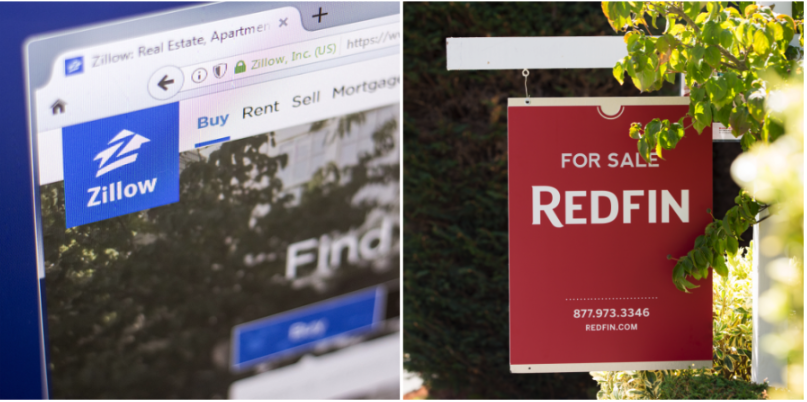

This story originally appeared on Real Estate News.
The Federal Trade Commission is suing real estate giants Zillow and Redfin, alleging the two companies illegally conspired to eliminate competition in the rental listings market.
In a Sept. 30 complaint, the agency claims the companies violated federal antitrust laws when Zillow paid Redfin $100 million to have Zillow be the exclusive provider of multifamily rental listings on Redfin and its owned sites, Rent.com and ApartmentGuide.com.
The complaint was filed in the U.S. District Court for the Eastern District of Virginia Alexandria Division.
FTC says partnership eliminates ‘critical competition’: “The practical outcome of the agreement is obvious: Redfin has terminated its existing multifamily advertising business operations and, for the duration of the agreement, has stopped competing to provide [Internet Listing Services] advertising for multifamily properties,” the filing says.
“The wholesale elimination of critical competition in this highly concentrated space will harm rental advertisers and the Americans who rely on ILSs to find their next home.”
Taming a ‘fierce’ rival: The partially redacted complaint notes that Zillow, Redfin and CoStar (through Apartments.com) dominate the rental listing space and “competed fiercely” for years before Zillow and Redfin made their deal in February. As part of that agreement, Redfin allegedly agreed not to compete with Zillow in the advertising of multifamily rental listings for up to nine years.
This means Redfin agreed to “stop selling multifamily advertising, to terminate its existing multifamily advertising contracts, and to transition those customers to Zillow,” including by turning over “competitively sensitive” information to Zillow, its “direct, horizontal competitor,” according to the complaint.
“Revenue from attracting new advertising customers will no longer serve as an incentive for Redfin to increase prospective renter traffic because Redfin will no longer be allowed or able to acquire new advertising customers,” the complaint says.
Redfin no longer ‘an independent and vibrant competitor’: The Zillow-Redfin deal resulted in the termination of some 450 Redfin employees who had previously supported Redfin’s rental listing business. As part of the deal, Redfin agreed to help Zillow hire them, the complaint added.
“In effect, Defendants have agreed to transform Redfin from an independent and vibrant competitor that markets and sells its own ILS multifamily advertising into one of several websites that provide nothing more than a copy of Zillow’s ILS listings,” the complaint says.
The “obviously anticompetitive” deal will mean “reduced choice, higher prices, and reduced quality” for multifamily rental advertising customers and such customers and renters alike would be better off through “continued competition to earn their business and engagement on the merits of Zillow’s and Redfin’s respective, independent offerings,” the complaint added.
What Zillow had to say: A Zillow spokesperson said their listing syndication deal with Redfin is “pro-competitive and pro-consumer,” expanding “renters’ access to multifamily listings across multiple platforms” and connecting property managers to “more high-intent renters so they can fill their vacancies and more renters can get home.”
What Redfin had to say: A spokesperson for Redfin said the company “strongly disagrees with the FTC’s allegations,” noting that the partnership “has given Redfin.com visitors access to more rental listings and our advertising customers access to more renters.”
“By the end of 2024, it was clear that the existing number of Redfin advertising customers couldn’t justify the cost of maintaining our rentals sales force. Partnering with Zillow cut those costs and enabled us to invest more in rental-search innovations on Redfin.com, directly benefiting apartment seekers,” the spokesperson added.
Portals could be forced to sell off assets, restructure businesses: The complaint alleges violations of the Sherman Act, Clayton Act, and FTC Act and seeks various forms of relief, though no specific monetary damages were disclosed in the filing.
The FTC has asked for a permanent injunction against the defendants’ alleged anticompetitive conduct and “structural relief … to cure any anticompetitive harm, prevent any future harm, and undo the continuing effects of past harm, including but not limited to, divestiture of assets, divestiture or reconstruction of businesses, and such other relief sufficient to restore the competition that would exist absent the anticompetitive conduct.”
The federal agency is also asking the court for an order requiring Zillow and Redfin “to file periodic compliance reports with the FTC.”


