
 Kvs satish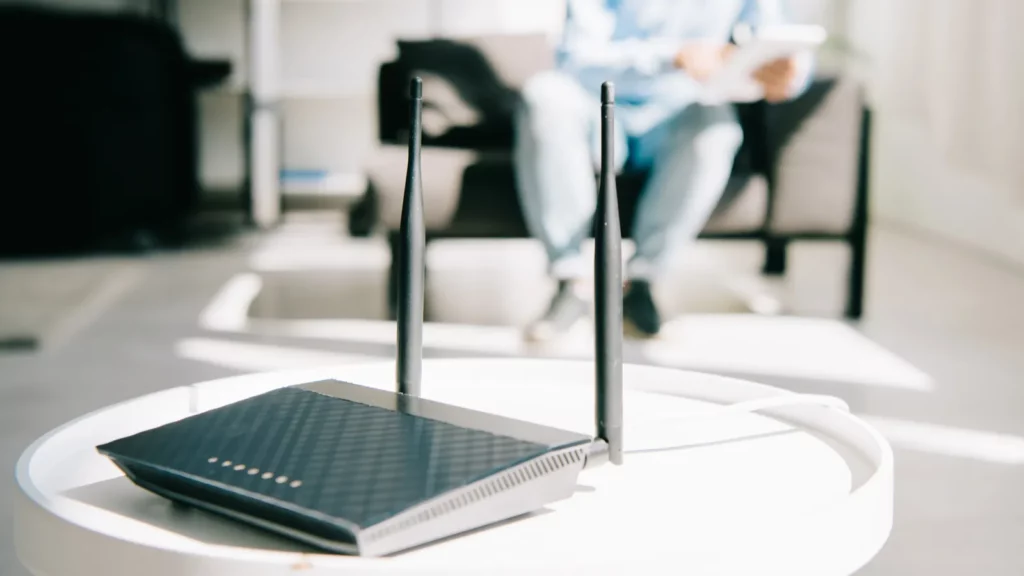
Most people hear “$50, no contract, unlimited data” and think they’ve found the golden ticket to affordable internet. And in some ways, they have. T-Mobile’s 5G Home Internet is simple, refreshingly transparent, and often a lifesaver for people stuck with overpriced cable or ancient DSL.
But living with it day to day reveals a more complicated picture. The speeds, reliability, and setup quirks are not always what the ads promise. And whether it feels like a dream or a compromise depends a lot on where you live and what you need from your connection.
If you want the real-world pros and cons (the good and the frustrating) keep reading, because these details often get lost in the fine print.
Why people are ditching cable and DSL
For years, the choice in many neighborhoods has been cable with its creeping fees or DSL with its snail-like speeds. Neither feels modern. Many households have stories of paying $70 or more per month only to hit data caps or battle buffering during a family movie night.
T-Mobile saw that frustration and offered a third path: fixed wireless powered by 5G towers.
For $50 with AutoPay, users get unlimited data, no contracts, and a plug-and-play gateway. T-Mobile’s official site highlights typical speeds between 72–245 Mbps, far better than old DSL lines. For households that have been left behind by fiber expansion, that pitch is hard to resist.
The setup feels refreshingly easy
The appeal of T-Mobile’s service begins the moment the box arrives. Unlike a traditional ISP install, there’s no technician appointment or hidden activation fee. You place the gateway near a window, connect to its Wi-Fi, and you’re online within minutes. The gateway itself combines a modem and router, with newer models even offering Wi-Fi 6.
A small display shows your signal strength and helps you experiment with placement. Many users report walking the device around their home like a treasure hunt until the bars look stable. It feels simple and flexible, and compared to cable company installs, it’s a relief.
When it’s good, it’s really good

In the right spot with a strong signal, T-Mobile 5G Home Internet feels liberating. Download speeds can spike over 200 Mbps, uploads are often stronger than old DSL ever managed, and streaming multiple devices at once is smooth.
For casual gamers, binge-watchers, and remote workers handling emails or video calls, it checks the boxes. Families often remark on how quickly they forget the days of buffering wheels. And since there are no data caps, there’s no anxiety about hitting an invisible wall mid-month.
It’s the first time many suburban and rural users feel like they’re catching up to city speeds.
But living with it also means living with swings
Here’s the part the commercials gloss over. Speeds are not always consistent.
On Monday, you may see 180 Mbps. By Tuesday evening, when the network is congested, you could be crawling at 20 Mbps or less. Fixed wireless relies on nearby cell towers, which means your home connection competes with phone traffic.
Placement also matters. A router near a shaded corner window may struggle, while a move of a few feet can make the difference. That’s why T-Mobile offers a 15-day free trial; they know performance is highly location-specific.
Real people are figuring it out in creative ways
Across forums and reviews, people share stories of trial and error. For some, the experimentation pays off with a stable setup. For others, it’s a reminder that fixed wireless is not as plug-and-play as fiber.
That mix of frustration and humor often spills into social media. A recent post captured the mood perfectly:
The gateway prioritizes function over aesthetics
Living with T-Mobile 5G Home Internet also means making peace with the hardware. The gateways are chunky cylinders that look more industrial than stylish.
To get the best speeds, you may end up parking it on a windowsill or in the living room, where it doesn’t exactly blend in with the decor. The silver and black models work well enough but often run warm, and the display placement isn’t always intuitive. It’s functional, but nobody would mistake it for an Apple HomePod.
Daily life with variable speeds
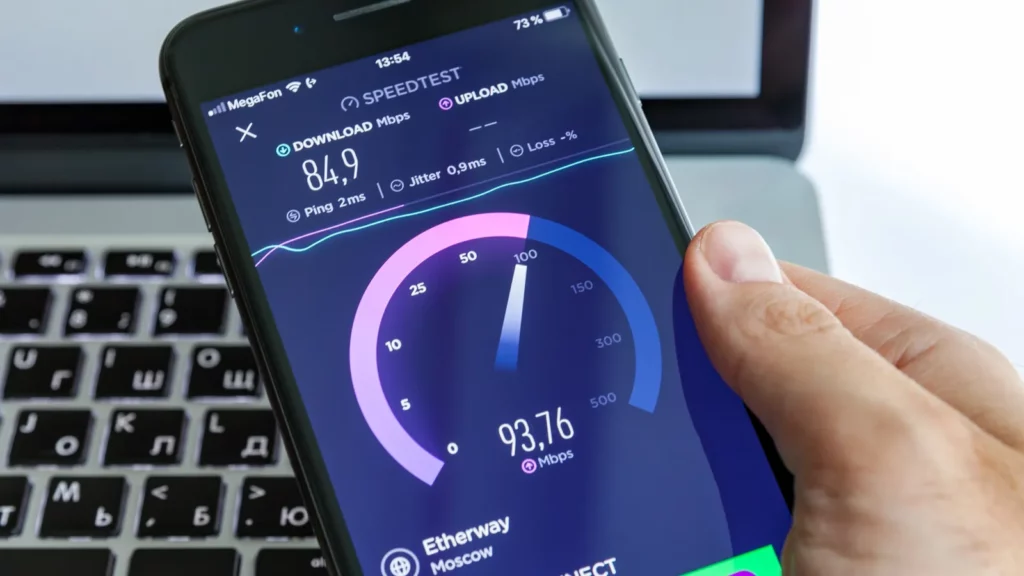
The biggest adjustment comes with expectations. T-Mobile’s service is faster than DSL and simpler than cable, but it’s rarely as consistent as fiber. Video calls can stutter if the signal dips.
Gamers complain of ping swings that make competitive play difficult. Large file uploads or cloud backups can be frustrating on a slow day. That variability is not a deal-breaker for everyone. Many households use it happily for streaming, browsing, and work.
But for power users or gamers who demand low latency, it may not replace a wired connection. A YouTube video summed it up: great value for average use, but not a dream solution for everyone.
How it stacks up against other options?
Compared to cable and fiber, T-Mobile’s 5G internet rarely wins the speed race. Cable in many cities offers gigabit downloads, and fiber adds symmetrical upload speeds. But those come with higher bills, contracts, and often frustrating customer service.
Compared to satellite, however, T-Mobile looks like a bargain. Starlink requires a hefty equipment fee and costs nearly double per month. T-Mobile is cheaper, simpler to install, and has no usage caps. It sits in the middle ground: faster and friendlier than DSL and satellite, but not as robust as wired broadband.
A look at the fine print you might miss
The simplicity of T-Mobile’s $50 plan is refreshing, but there are caveats. Without AutoPay, the price jumps to $55. Cancelling without returning the gateway can trigger a $370 charge.
And while there are no official data caps, T-Mobile reserves the right to slow home internet during peak congestion to prioritize mobile users, as The Verge noted.
There are also quirks: some live TV streaming apps may not work correctly due to IP location issues, and some corporate VPNs may experience slower speeds or inconsistent connections, especially during peak usage hours. These aren’t deal-breakers for everyone, but they matter if you rely on specific apps daily.
Should you give it a shot?
Living with T-Mobile 5G Home Internet is less about speeds on paper and more about how it fits your lifestyle.
For households stuck on DSL or battling cable’s hidden fees, it feels like a breath of fresh air. For heavy gamers, video editors, or VPN-reliant workers, it may still feel like a compromise.
Here’s the bottom line on what to expect:
- Setup is quick and painless compared to traditional ISPs
- Speeds can be great, but they’re not always consistent
- Placement of the gateway matters more than you think
- It’s cheaper and simpler than cable or satellite for many users
- Bottom line? It’s not perfect, but for $50, it can be the best bridge between slow DSL and a fiber future
So maybe the real question isn’t whether T-Mobile’s 5G Home Internet is perfect—it’s whether it’s reliable enough for your everyday needs until something better comes along.
Recommended Posts:
This article was made with AI assistance and human editing.


